A Practical Guide to Musty Smell Remediation for Boston Homeowners
If you live in an older Boston home, you know the smell. That damp, earthy odor that shows up in the basement after a rainy spring or lingers in a closet near an exterior wall. It is not just unpleasant. It is usually a sign that moisture is winning somewhere in your house. And where moisture wins, mold follows.
I have spent years working on mold issues across the metro area, from triple-deckers in Dorchester to colonials in Newton. The first thing I tell every homeowner is that the odor is not the real problem. The odor is the messenger. The real problem is the conditions that let mold grow. Once you understand that, musty smell remediation becomes a matter of fixing the environment, not just masking the scent.
Why That Musty Smell Is More Than an Annoyance
Mold produces microbial volatile organic compounds (MVOCs) as it digests organic building materials. Those compounds are what you smell. Black mold on drywall, for instance, releases a distinctly musty odor that can travel through an entire floor. The smell itself can trigger asthma symptoms, headaches, and sinus congestion in sensitive people. In some cases, long-term exposure to high levels of MVOCs has been linked to more serious respiratory issues.
So when you catch a whiff of that basement smell in your living room, do not reach for an air freshener. That approach treats the symptom and leaves the cause untouched. Real musty smell remediation starts with identifying where moisture is coming from and stopping it.
Finding the Source: Look for the Wet Spot
Before you buy any products, walk your home with a flashlight and a nose. The smell is strongest near the source. In Boston homes, common problem areas include crawlspaces with exposed dirt, basements with old stone foundations, and bathrooms with poor ventilation. Check behind washing machines, under sinks, and along the base of drywall in rooms that have had leaks.
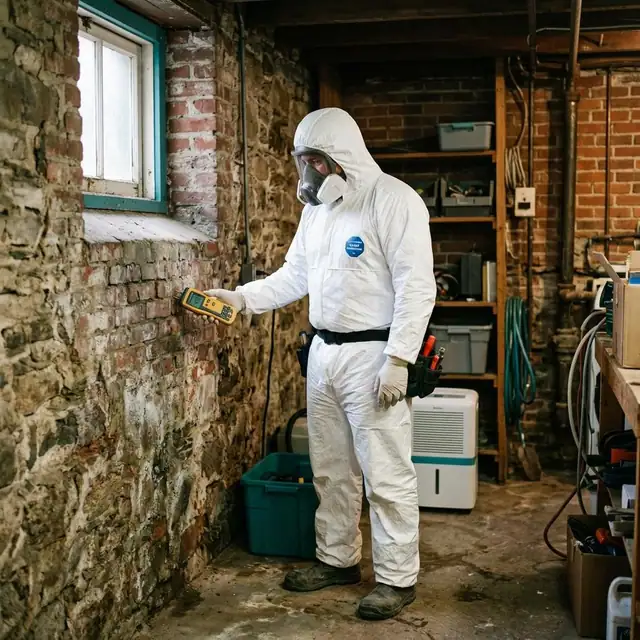
If you find visible mold, the job gets more specific. Small patches of mold on tile or glass can often be cleaned with white vinegar or a product like Concrobium. Larger infestations on porous materials such as drywall or wood may require removal and replacement. Do not use bleach on porous surfaces. Bleach cannot penetrate wood or drywall, so it kills surface mold but leaves the roots alive. Within weeks, the mold comes back and the smell returns.
Drying the Space First
Moisture control is the foundation of musty smell remediation. No amount of cleaning will stick if the space stays damp. Start by running a dehumidifier in the affected area. Set it to keep relative humidity below 50 percent. In a Boston basement during summer, that might mean emptying the dehumidifier twice a day. It is a hassle, but it is necessary.
If the area is closed off, like a crawlspace or a small basement room, consider adding a fan to circulate air. Stagnant air lets moisture settle on surfaces. An air scrubber with a HEPA filter can also help capture airborne mold spores while you work. Just remember that an air scrubber is a temporary tool. It filters the air but does not dry the space.
Cleaning Mold Safely
Once the area is dry, you can clean the visible mold. For non-porous surfaces, a solution of white vinegar or a commercial mold cleaner like RMR-141 works well. RMR-141 is a heavy-duty product that kills mold on contact and leaves a residue that resists regrowth for a while. Follow the label instructions exactly. This stuff is strong and requires gloves and eye protection.
For porous surfaces where mold has penetrated, cleaning alone is not enough. You may need to cut out and replace sections of drywall or insulation. I have seen homeowners try to paint over mold stains with Kilz or similar primers, and it never works long-term. The mold continues to grow behind the paint, and the smell seeps through eventually. The only reliable fix is removal.
One product that deserves mention is Microban. It is an antimicrobial additive that can be applied to surfaces after cleaning to inhibit future mold growth. It is not a cleaner itself, but a preventive coating. Use it on basement walls, crawlspace joists, or any surface that has a history of mold. It adds a layer of protection that can make a real difference in a damp climate like Boston’s.
When the Smell Comes from Hidden Mold
The hardest cases are the ones where you cannot see the mold. Mold can grow inside wall cavities, under flooring, or in HVAC system ductwork. If your musty smell persists after you have cleaned every visible surface and dried the room, the mold is probably hidden. At that point, you need professional help.
Mold Inspection Consultants, a company I have worked with on several jobs, uses moisture meters and borescopes to find hidden mold without tearing open walls. They can pinpoint the source of the smell and recommend a targeted remediation plan. Sometimes that means opening a wall and treating the cavity with an antimicrobial fog or a product like Concrobium mold spray. Other times it means replacing a section of drywall and fixing a leaky pipe behind it.
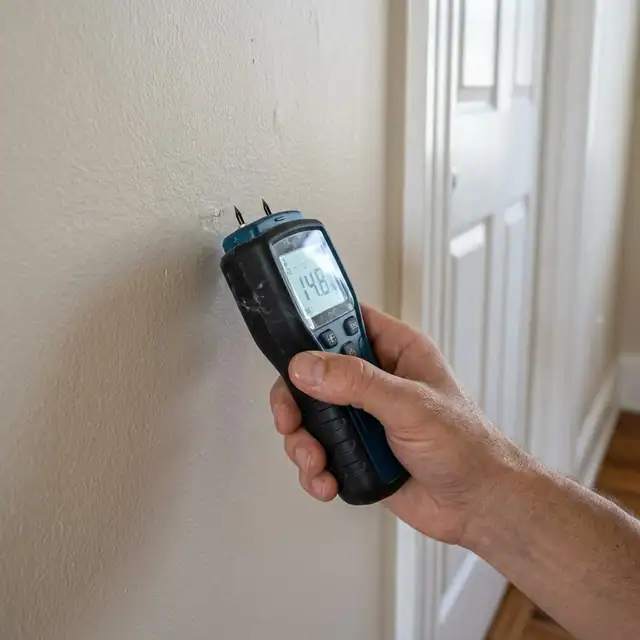
Do not try to guess where hidden mold is. You will either miss it or cut into places that do not need cutting. A professional assessment saves time and money in the long run.
Products to Use and Products to Avoid
Over the years, I have tested a lot of mold remedies. Here is a short list of what works and what does not.
- HEPA filter: Essential for capturing airborne spores during cleanup. Use one with a true HEPA rating, not a “HEPA-type” filter.
- Dehumidifier: The single most important tool for musty smell remediation in a damp basement or crawlspace. Keep it running until humidity stays below 50%.
- Ozone generator: Can remove odors in an unoccupied space, but ozone is a lung irritant. Never use it while people or pets are present. It is a last resort for extreme smells.
- White vinegar: Safe and effective for light mold on non-porous surfaces. Do not mix it with bleach.
- Bleach: Only on non-porous surfaces like tile or glass. Useless on wood and drywall.
One product I avoid is boric acid for mold. Boric acid works as an insecticide, but it does not kill mold effectively. Some online sources recommend it, but in practice it falls short. Stick with proven mold killers like RMR-141 or Concrobium.
Preventing the Smell from Returning
After you have done the work, the goal is to keep the space dry and clean so mold never gets a foothold again. That means fixing leaks, improving ventilation, and monitoring humidity. In Boston, where old homes often have stone foundations and dirt crawlspaces, a vapor barrier on the crawlspace floor can make a huge difference. It stops ground moisture from evaporating into the air.
Also check your HVAC system. Mold can grow on evaporator coils and in drip pans, then spread spores through the whole house. Have your HVAC serviced annually, and consider installing a UV light in the ductwork to kill mold spores. Some HVAC contractors offer this as an add-on service, and it is worth the investment if you have chronic mold issues.
If you have lead paint in your home, be careful when cleaning mold. Lead paint is common in Boston pre-1978 housing. Disturbing it during mold removal can release lead dust. Wet cleaning methods and HEPA vacuuming reduce the risk. If you suspect lead paint, test it before you start scraping or sanding.
When to Call a Professional
You can handle small mold problems yourself if the affected area is less than about ten square feet and the mold is on a non-porous surface. For anything larger, or if the mold is on drywall, insulation, or wood, call a professional. The same goes if anyone in the house has asthma, allergies, or a compromised immune system. Mold remediation is not a DIY project when health is at stake.
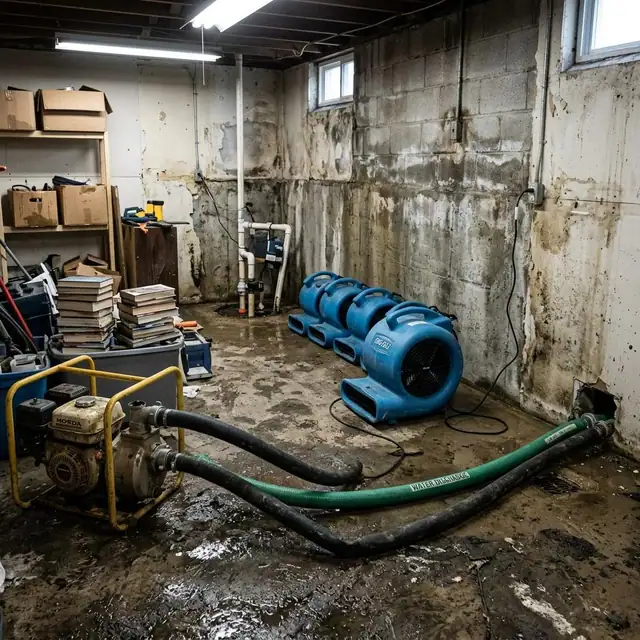
Professional musty smell remediation includes identifying the moisture source, containing the area to prevent spore spread, removing moldy materials, cleaning and treating the space, and drying it out completely. Companies like Mold Inspection Consultants and others in the Boston area follow EPA guidelines for mold remediation, which include wearing protective gear and using negative air pressure to keep spores from traveling.
One thing I see homeowners do is try to save money by painting over mold or using ozone generators to cover the smell. It never works. The smell always comes back, and the mold spreads while you are not looking. The cheapest solution is the right one the first time: find the moisture, stop it, dry the space, and remove the mold.
Musty smell remediation is not glamorous, but it is one of the most impactful things you can do for your home and your health. If you live in an old house in a damp climate, it is practically maintenance. Treat it like changing the oil in your car. Do it regularly, do it right, and your home will stay healthy and comfortable for years.